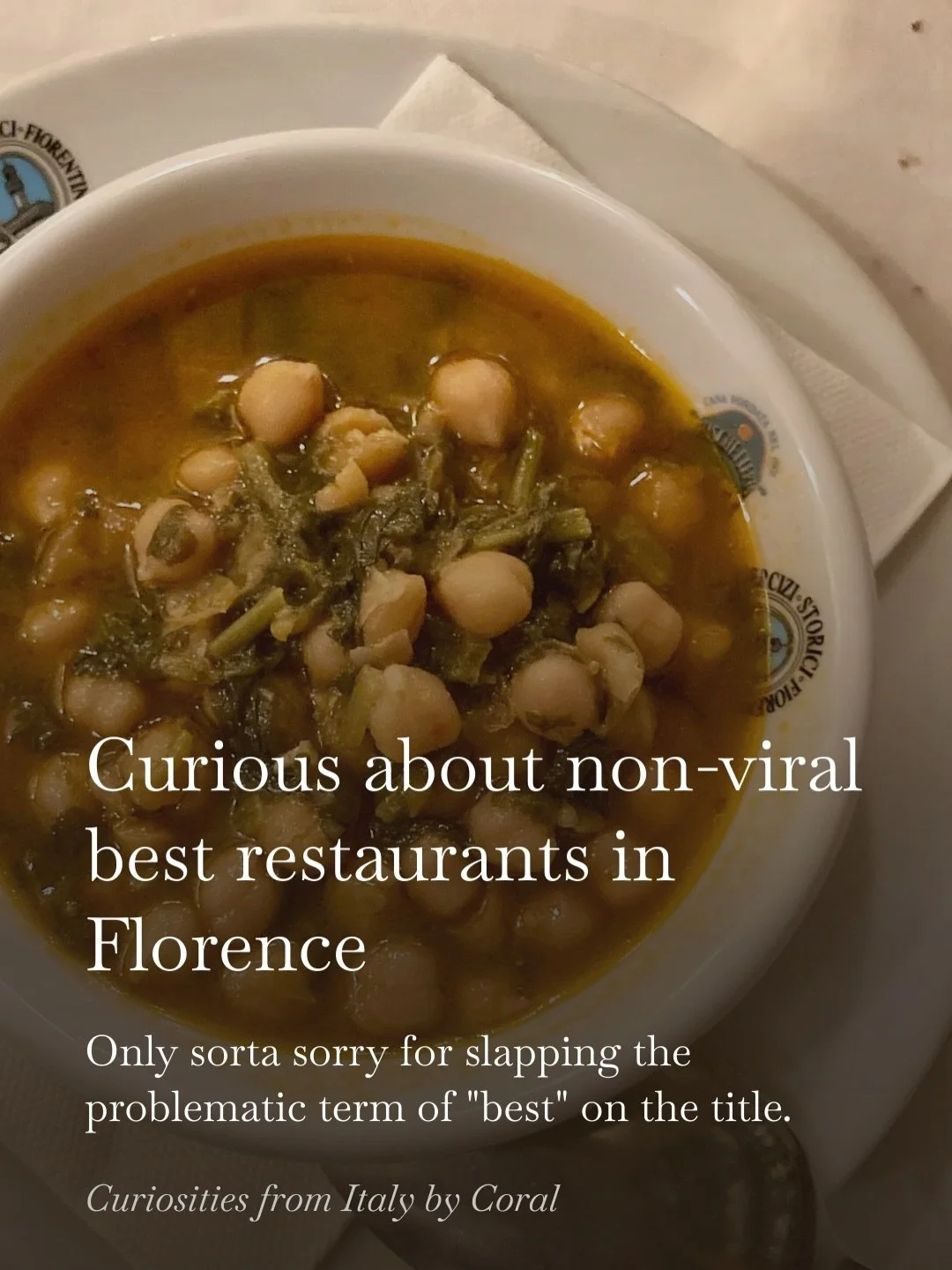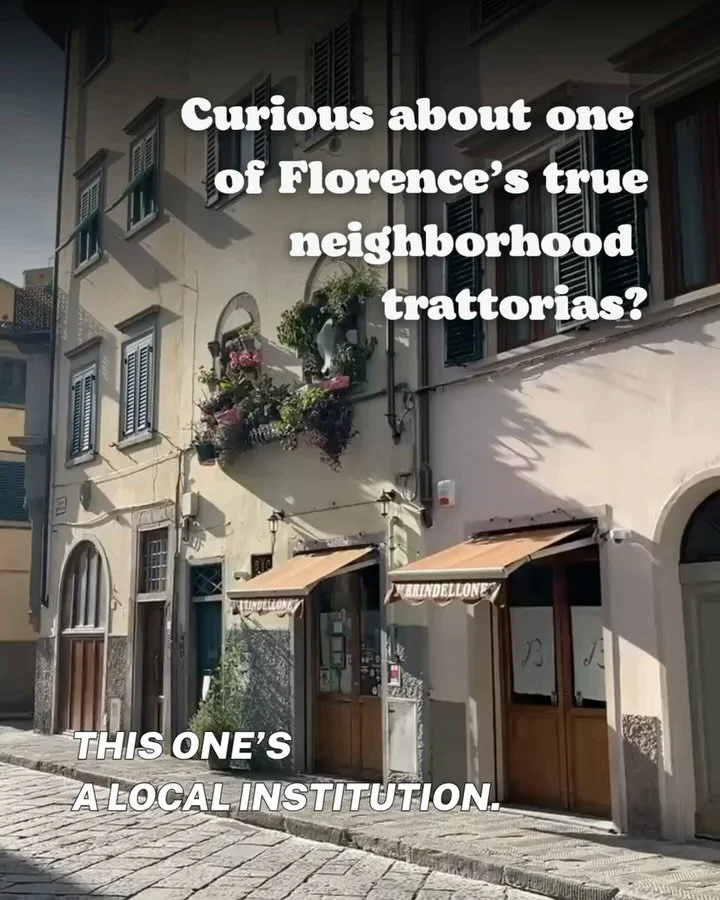
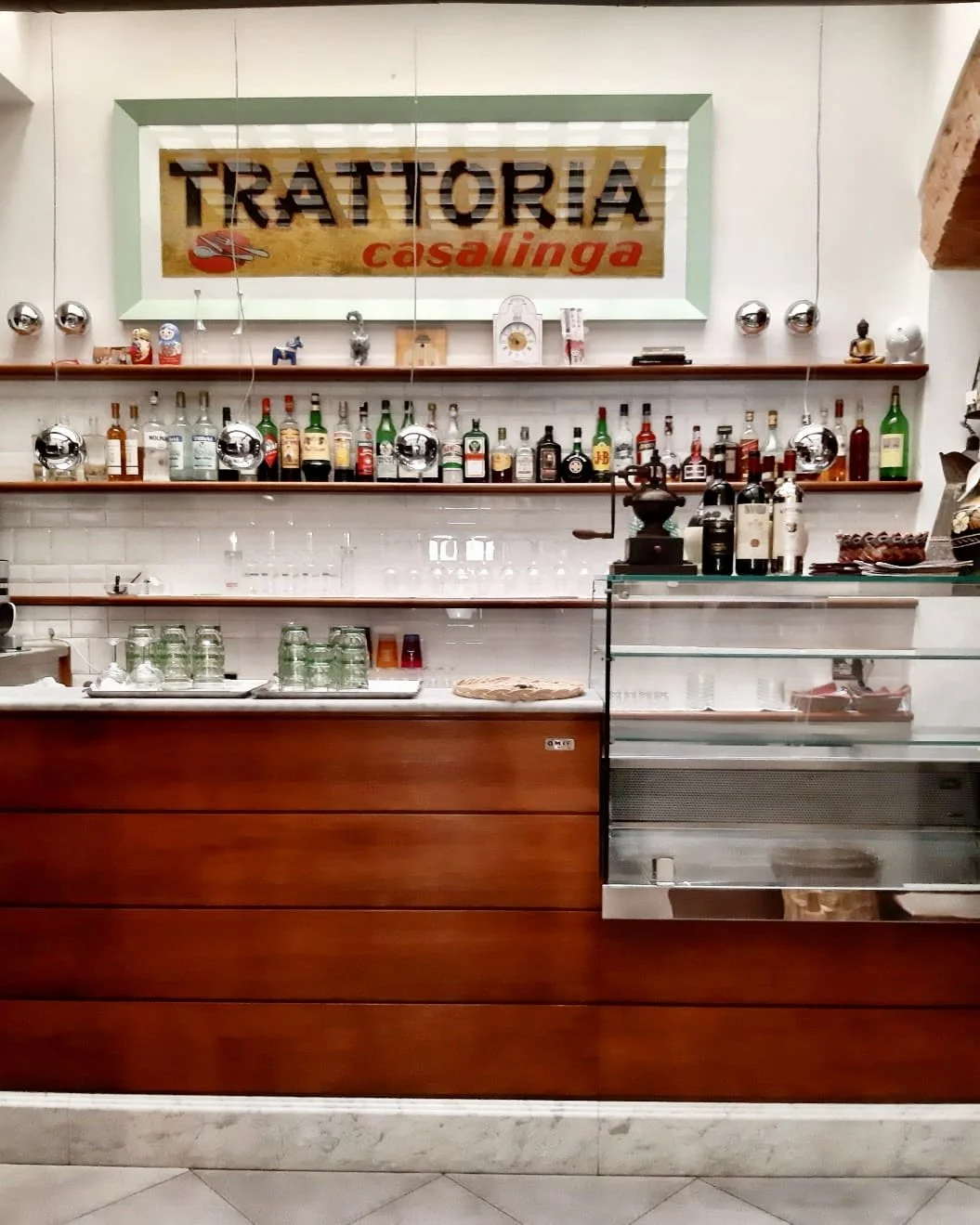
A trattoria in Florence, Italy
If you’re coming to Italy for the first time, you’ve probably noticed the names “trattoria” and “osteria” in your restaurant research. When trying to decide where to eat or planning your trip, you may see even more terms and wonder what they all mean.
A common mistake travelers make is assuming or not realizing that a ristorante in Italy is typically a more formal dining experience.
The unassuming or new traveler may end up overpaying at a ristorante when they were actually hoping to experience simple, homestyle fare where locals eat.
It’s important to understand the terms that classify restaurant types in Italy before booking or dining out. Read this full guide to all the different types of eateries in Italy to dive deeper.
On our food tours in Italy, guests often tell us they had a great meal at “trattoria,” perhaps unaware that’s a general term—like saying “I went to tavern last night.”
These signifiers usually appear before the name of the establishment to distinguish what kind of experience to expect (for example, Trattoria Mario).
This breakdown of trattoria vs osteria will help you feel a little less lost navigating food & restaurants in Italy, with practical insights drawn from nearly 20 years of experience as a food blogger leading food tours.
Looking for unique food tours in Florence? Consider our Progressive Florentine & Tuscan Dining Crawl where we explore Florence’s best restaurants with a specialized, bilingual food expert guide.
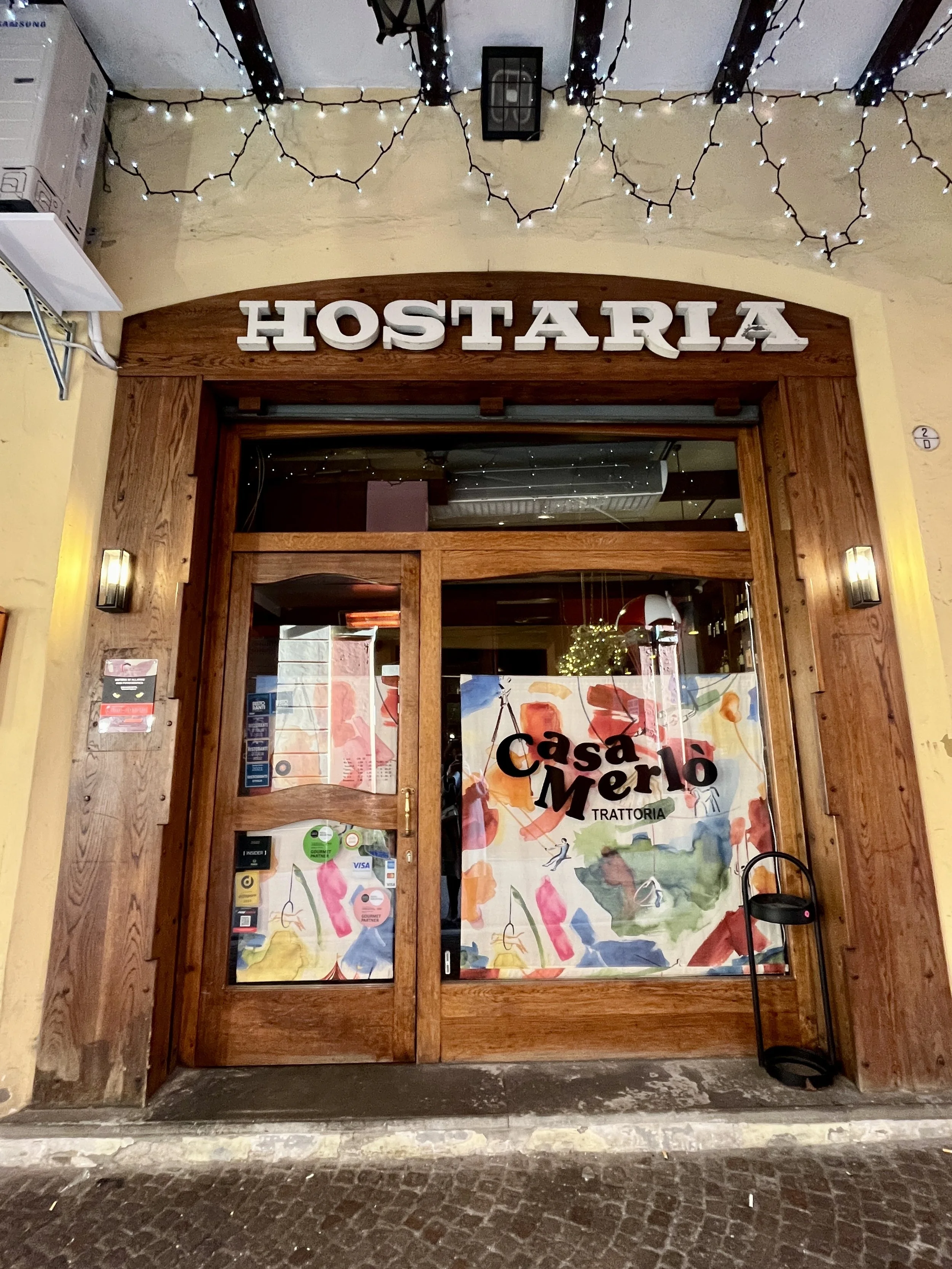
A former hostaria turned modern trattoria in Bologna
Let’s break down the key differences of a Trattoria vs Osteria:
Osteria = wine-forward, representative food with a few gourmet touches, decor/concept can range widely depending on chef/owner.
Trattoria = epicenters for comfort food and classic home cooking with a family-run feel. Firm identity in most cases in terms of atmosphere and menu offerings.
A trattoria is generally more casual, often family-run, with generous portions of regional hearty dishes, a menu’ which hasn’t changed much over the years, some seasonal specials if say artichokes are in season with a lively atmosphere and bare bones service.
An osteria was historically a wine tavern serving simple food. Today, it’s usually a wine bistro-like atmosphere with a shorter, rotating menu and a continued focus on tradition.
Other considerations: Italians tend to eat a bit on the later side, with first reservations opening up around 7pm. Dishes come out course by course instead of all at once. Salads are treated as palate cleansers and to aid in digestion. So they tend to be somewhat lackluster.
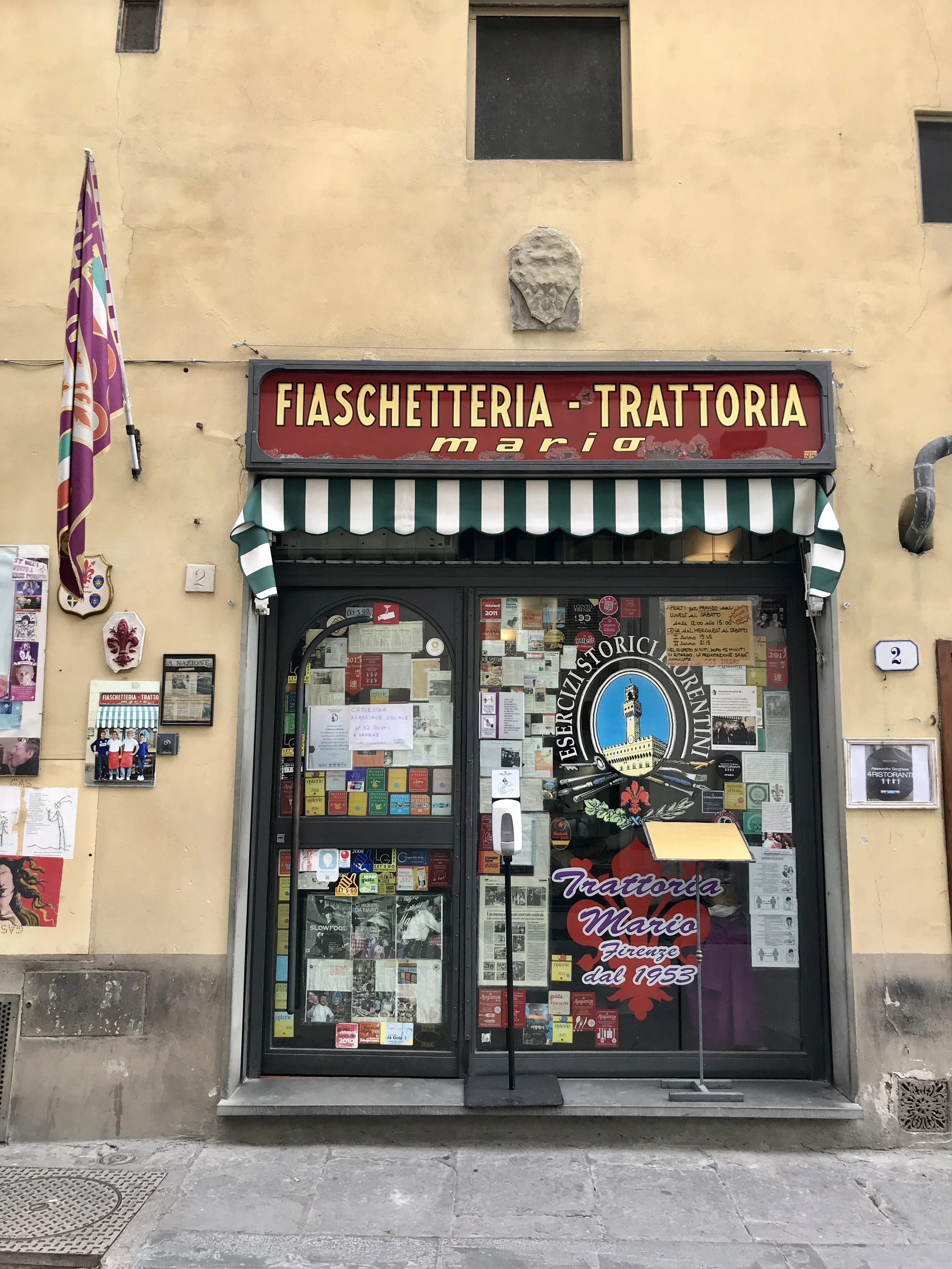
A trattoria in Florence, Italy
Trattoria
The term “trattoria” comes from trattare alimenti, meaning to prepare or cook food. For Italians, a trattoria is a place to eat that is informal—unlike an elegant ristorante.
At its core, a trattoria is about home-style cooking. More like a greasy spoon than a formal restaurant. These are spaces built around regional recipes, often passed down through generations.
Even now, a typical trattoria is:
family-owned or family-run
focused on seasonal, regional dishes with a few signatures (meaning you can rely on the menu to stay the same over the years)
rooted in cucina povera— rustic cooking that transforms humble ingredients into flavorful meals
The experience is more structured (i.e. with the regional best hit dishes) than an osteria. You’ll usually sit down for a full meal: antipasto (appetizers), pasta (primi), and a protein-centered main dish (secondi) with some vegetable side contorni.
Italians may take a dish from each course category to share especially at the weekend but during the week may take either a primo or a secondo and share an antipasto.
What defines a trattoria is the feeling of eating from someone’s family cookbook—generous portions, comforting dishes, and recipes tied closely to the local region.
Depending on where, you’ll find specialties that reflect local culinary traditions and ingredients. Don’t expect Roman carbonara at a trattoria in Florence unless one of the family members has a tie to the caput mundi.
Why choose a trattoria vs osteria?
A trattoria is the optimal choice if you’re looking for a budget-friendly meal, aren’t fussed about cellar worthy wines and are looking for a deeper introduction to local cuisine.
Trattorias are ideal when you’re hungry, curious about regional dishes, and looking for that warm, family-style dining experience. Wine is usually extremely affordable, usually quaffable simple table wine.
The advantage is a stronger focus on traditional cooking for most budgets—making it a better option when food is the main focus of the experience.
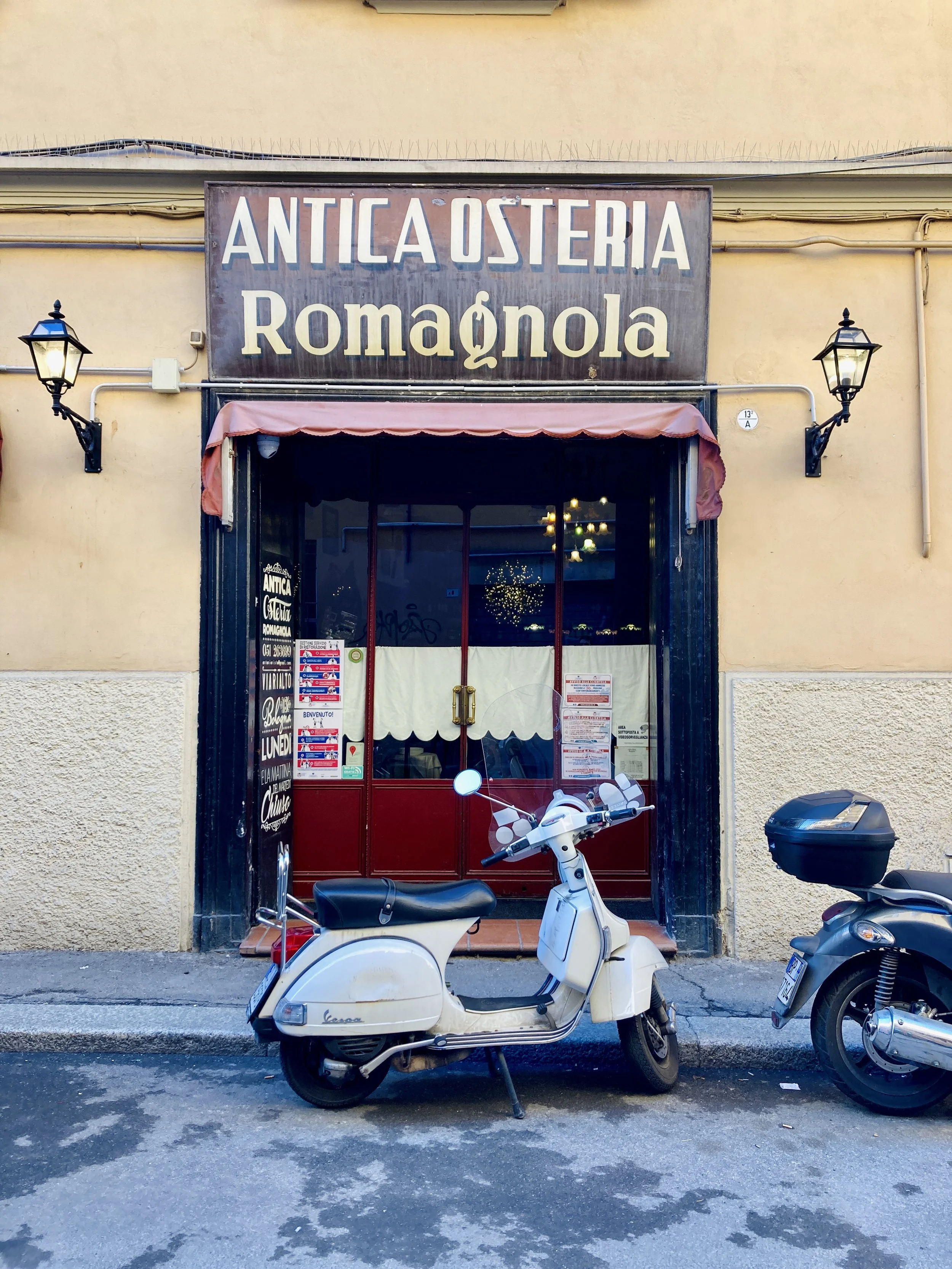
Osteria
The history of the osteria is rooted in wine taverns and inns—places where travelers would stop to drink, eat, socialize and sometimes stay overnight.
Today, what you’ll find is a relaxed, informal yet somewhat of a bistro-like dining experience. Osterias are still often rustic, though there are exceptions, such as high-end interpretations of the concept.
The term itself still evokes a lively, social environment centered around wine, conversation, and food with bits of gourmet flair like saffron in pasta or bottarga on beans.
The word “osteria” comes from ospitare (to host), and was a place to drink well. Again, we cover the historical backgrounds to the various types of restaurants in Italy via this guide.
The drinking hole identity still influences the modern version: wine plays a central role, often with a carefully selected list.
Unlike a trattoria, which has a more defined identity, an osteria can vary widely. Italians tend to think of it today as a place where you might find smaller plates, a bit more creativity but not in the fine dining sense, and a curated wine selection to match. You may spend slightly more than at a trattoria, but the experience still reflects local cuisine.
Menus are typically short and focused. You might see a chalkboard with daily specials, a handful of dishes, and a room filled with locals. Service is unfussy, prices are approachable, and the overall atmosphere is intimate and unpretentious.
When to choose an osteria
Visit an osteria if you’re looking for a slightly elevated setting compared to a straw-seated trattoria, thoughtful dishes rooted in tradition, and a stronger emphasis on wine.
It’s ideal if you want to ease into the evening, linger over drinks, or enjoy a more interesting takes (with better wine) on representative local cuisine.
Compared to a trattoria, an osteria can feel trendier and more atmospheric. You’re not necessarily there for a rib-sticking meal—you’re there to enjoy the setting, the wine, and as much (or as little) food as you like.
The advantage is somewhat lighter fare and excellent wine options— while suited to travelers who still value authenticity and atmosphere.
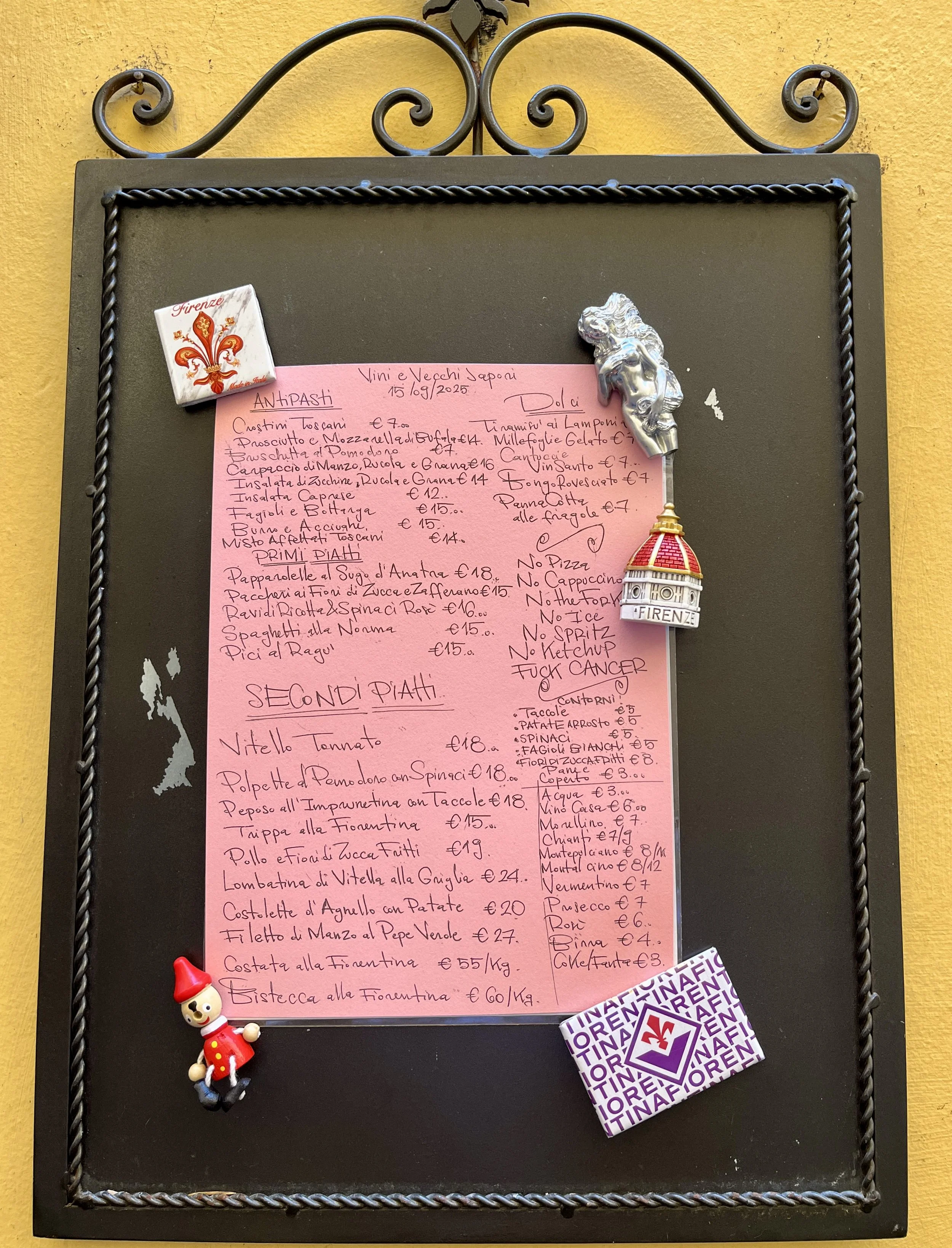
An enoteca in Florence. Photo: Coral Sisk.
Word to the wise traveler
One of the most common mistakes travelers make is booking a ristorante when they were looking for a more casual, local experience.
Besides ordering a cappuccino after a meal, a lot of visitors don’t realizing that pizza is best had at a pizzeria. Not all restaurants in Italy serve pizza, and honestly the best eateries in Italy are not one-stop-shop concepts. This guide breaks down additional types of restaurants in Italy.
There are a litany of other food rules and exceptions that can take years of living on the ground to be able to parse out, so don’t be hard on yourself if you end up with mismatched expectations. You live and learn!
It’s not a real Italian adventure if you didn’t end up with at least one mid or bad meal, those experiences truly help understand how to set the “authentic” bar in some ways.
If you’re visiting Italy for the first time looking to try down home Italian cooking, a trattoria is usually a safe bet. An osteria, on the other hand, can lean a little more in the neighborhood wine bistro realm depending on the particular osteria and its ownership.
To take a lot of the worry out of decision making and planning, we genuinely suggest booking our progressive dining crawl in Florence to experience the differences in real time and/or arrange a travel consult to provide personalized dining recommendations during your Italy vacation.
The take-away? (without the doggie bag)
Understanding the difference between an osteria and a trattoria helps you make better choices when dining in Italy.
Whether you’re looking for a well-picked glass of wine with simple dishes or a full meal rooted in regional tradition, knowing where to go—and why—can make a significant difference in your trip.
And when in doubt, it’s always helpful to get local insight—whether that’s through research, recommendations, or experiencing it firsthand.
Curious to taste the difference of trattoria vs osteria? Join our progressive dining tour in Florence! On this food tour in Florence, We visit a few restaurants in one evening on our dining crawl that illustrates this blog post in real time.
We can also further optimize your Italian vacation with a personalized travel consult. Contact us for more details!