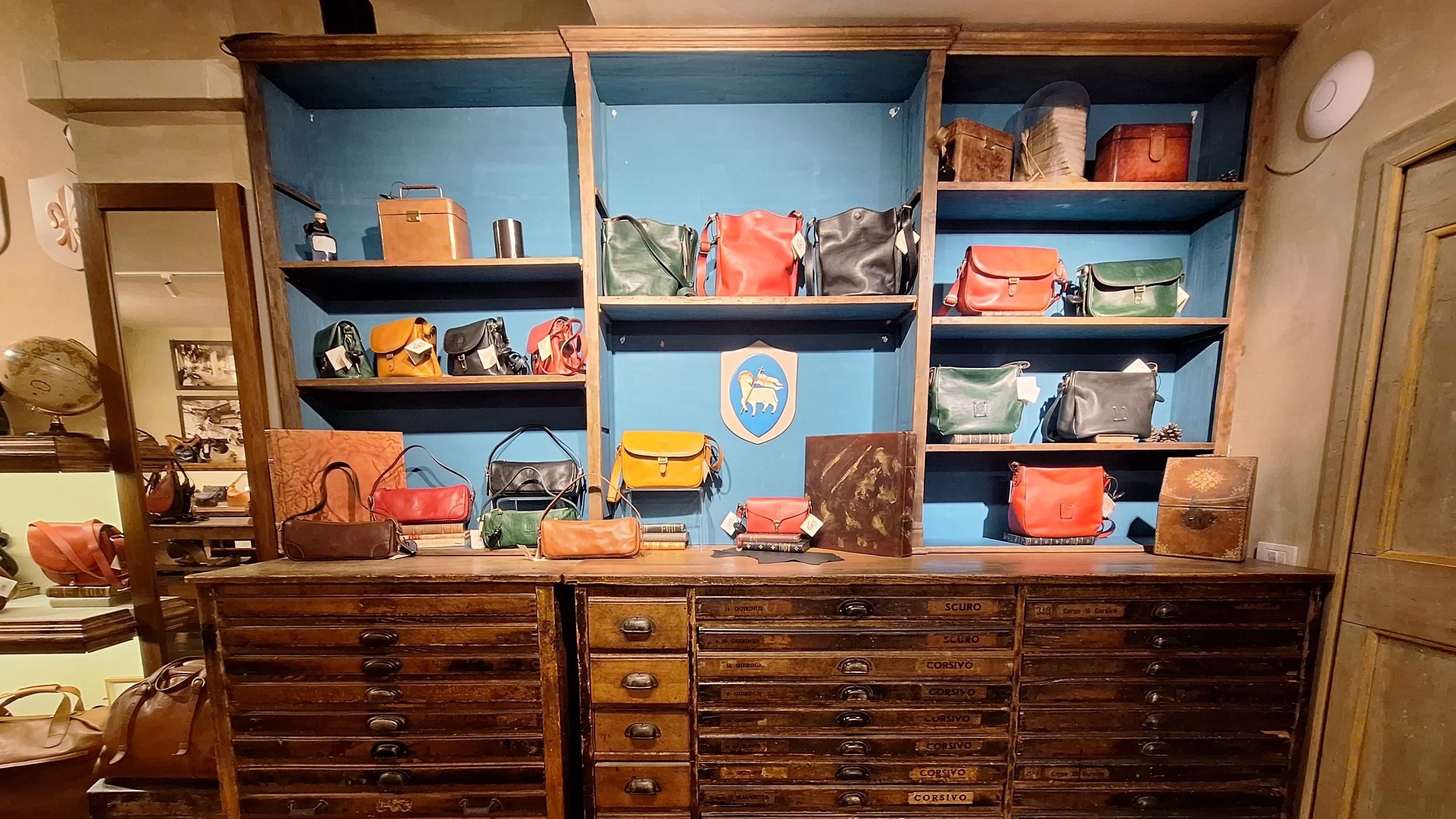
Florence has shaped Europe’s leather industry for centuries, and its influence is still visible in the workshops, boutiques, and family-run businesses scattered throughout the city.
But the real appeal of buying leather here goes beyond the finished product. It’s the opportunity to discover a craft tradition that has evolved over generations and to meet the artisans keeping Florentine leather crafts alive.
One of the many reasons to visit Florence for more than a few days is to have the time to wander into a workshop while artisans cut and stitch leather by hand.
In a world increasingly dominated by cheap products and viral one hit wonders, finding something made by a person whose name you know, using techniques they’ve spent years mastering, is a rare pleasure.
If you’re wondering where to buy leather in Florence, how to recognize authentic Italian leather, and which Florentine leather shops are worth visiting, this guide covers our favorite places, what to look for, and how to make a purchase you’ll appreciate for years to come.
Access Florence’s living artisan culture through a curated expert-led experience like our private Artisan Tour of Florence where we visit a handful of artisans and their workshops.
As the experience is curated to your wishes should they be leather or fashion focused, you’ll have the opportunity to visit caliber makers specializing in authentic Italian leather, traditional dying techniques, handmade leather bags and stellar Florentine craftsmanship.
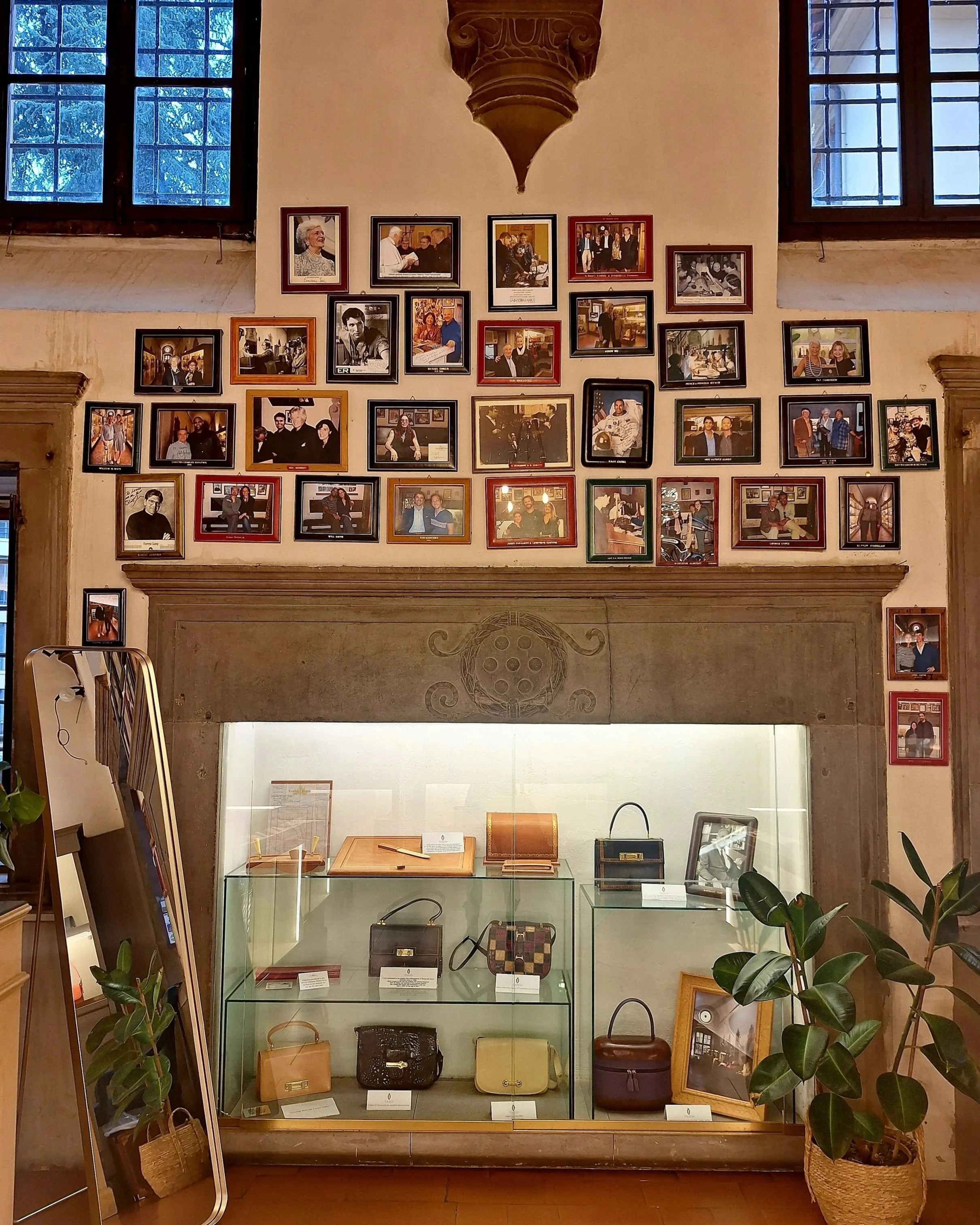
The leather school in Florence
Why is Florence known for Italian Leather?
Florence’s leatherworking tradition dates back to the Middle Ages, when the craft was central to the city’s economy. By the 1300s, thousands of leatherworkers, including shoemakers, tanners, and saddlemakers, were contributing to Florence’s commercial and cultural identity. The Arte dei Cuoiai e Galigai, the leatherworkers’ guild, was established in 1282.
Geography played an important role. The Arno River provided the water needed for soaking, dyeing, and finishing hides, and tanneries historically lined its banks. Santa Croce became a center of leather production, partly because it sat outside the city walls, where the smells and waste associated with tanning were less disruptive to residents.
Street names such as Via delle Conce, Via dei Conciatori, and Corso dei Tintori still recall this history. Today, Santa Croce remains closely associated with Florentine leather, although the city’s artisan culture extends well beyond the neighborhood.
Another important chapter began in 1950, when the Scuola del Cuoio was founded to teach traditional leatherworking to orphans of WWII. Its combination of craftsmanship, education, and social purpose remains an important part of Florence’s artisan heritage.
When you buy leather in Florence from a genuine local workshop, you’re participating in a tradition more than 700 years in the making.
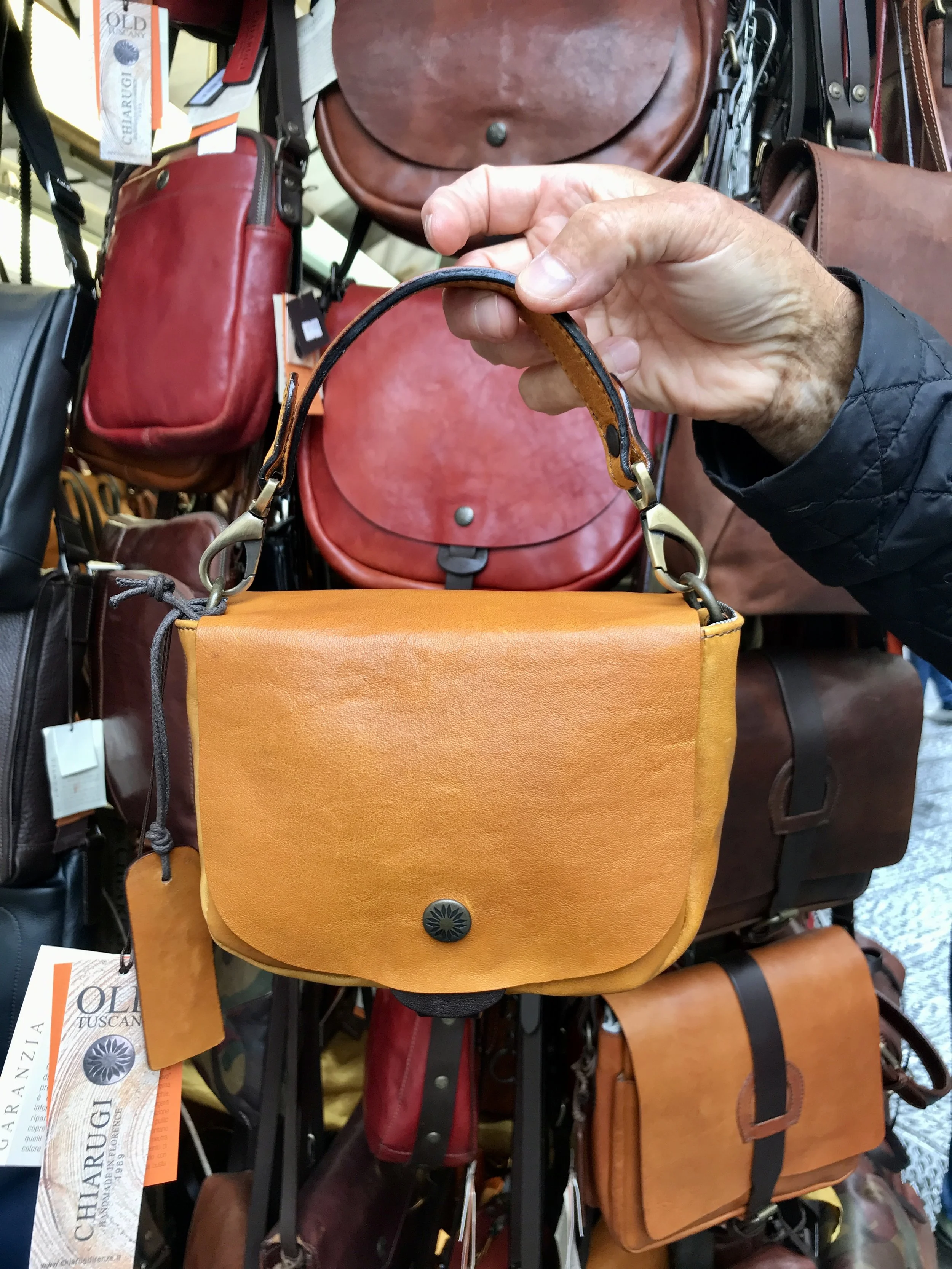
From one of the only stands at the San Lorenzo Market managed by a Florentine maker brand
Where to Buy Leather in Florence: The Best Neighborhoods
Not all leather shopping in Florence offers the same experience. The city has everything from bustling outdoor markets to established luxury brands and small workshops where artisans still make products by hand. Knowing where to look makes all the difference.
San Lorenzo Leather Market: What to Know Before You Buy
The outdoor stalls around Mercato Centrale, commonly known as the San Lorenzo Leather Market, are among Florence’s most recognizable shopping destinations. They’re lively, convenient, and worth browsing, particularly if you’re looking for inexpensive gifts.
Quality, however, varies considerably. Alongside genuine leather goods, you’ll find mass-produced merchandise and products whose origins can be difficult to establish. Bargaining and low prices are part of the experience, but there are few stands of true quality.
For an affordable souvenir, the market can be fun. For an investment piece or something made using traditional Florentine techniques, we recommend spending more time in established boutiques and artisan workshops.
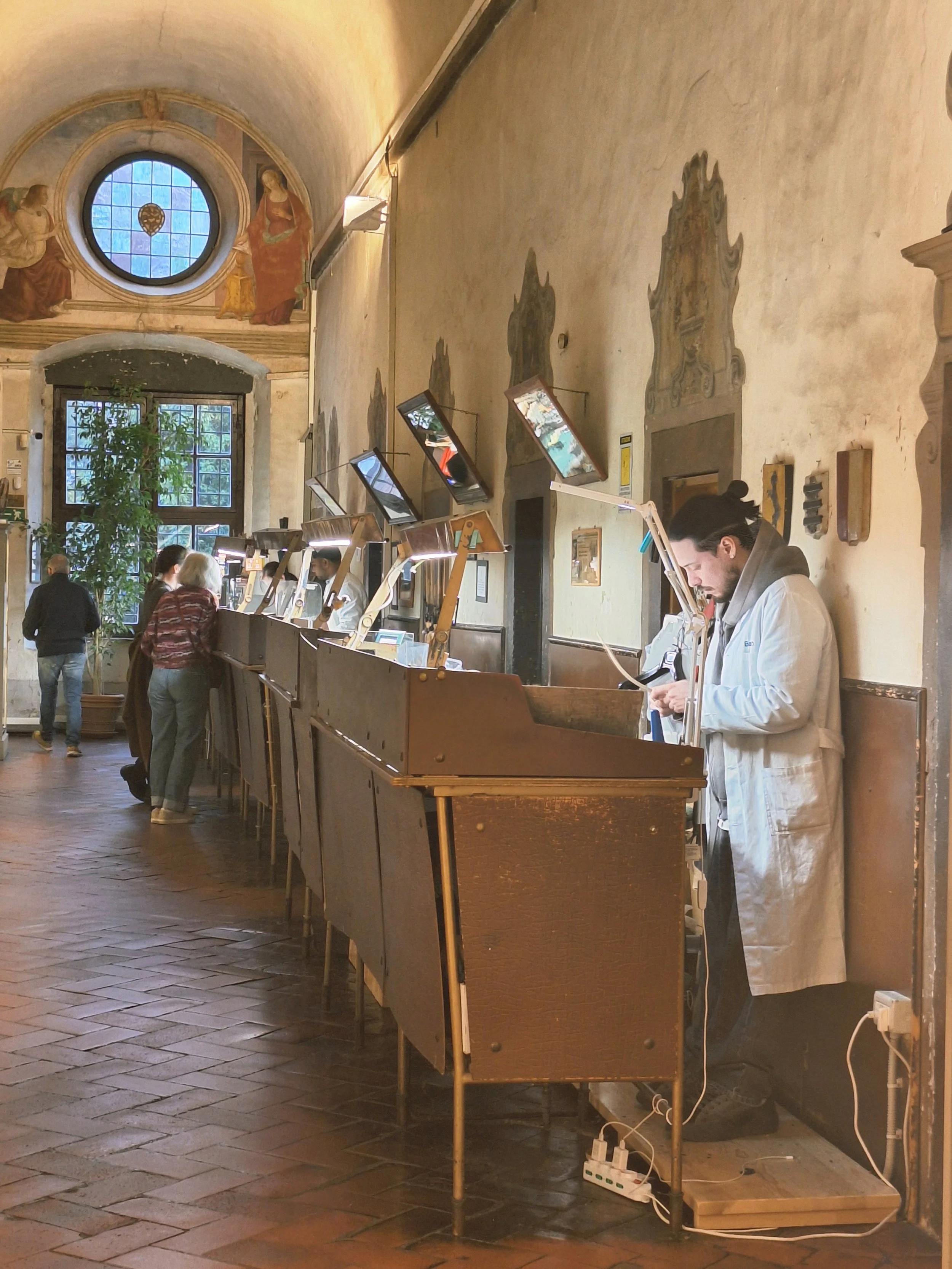
handmade leather goods in the works in Florence’s leather school in Santa Croce
Santa Croce and Scuola del Cuoio: Traditional Florentine Leather
Santa Croce is one of the best areas in Florence for travelers interested in the history behind their purchases. The neighborhood’s connection to leatherworking is centuries old, and its workshops offer a more personal alternative to the market stalls.
The standout is Scuola del Cuoio, where you can browse handcrafted leather goods and watch artisans at work. The surrounding neighborhood also has independent boutiques and specialist workshops worth exploring.
For anyone who wants to understand how a leather bag or accessory is made, rather than simply choose one from a shelf, Santa Croce is an excellent place to start.
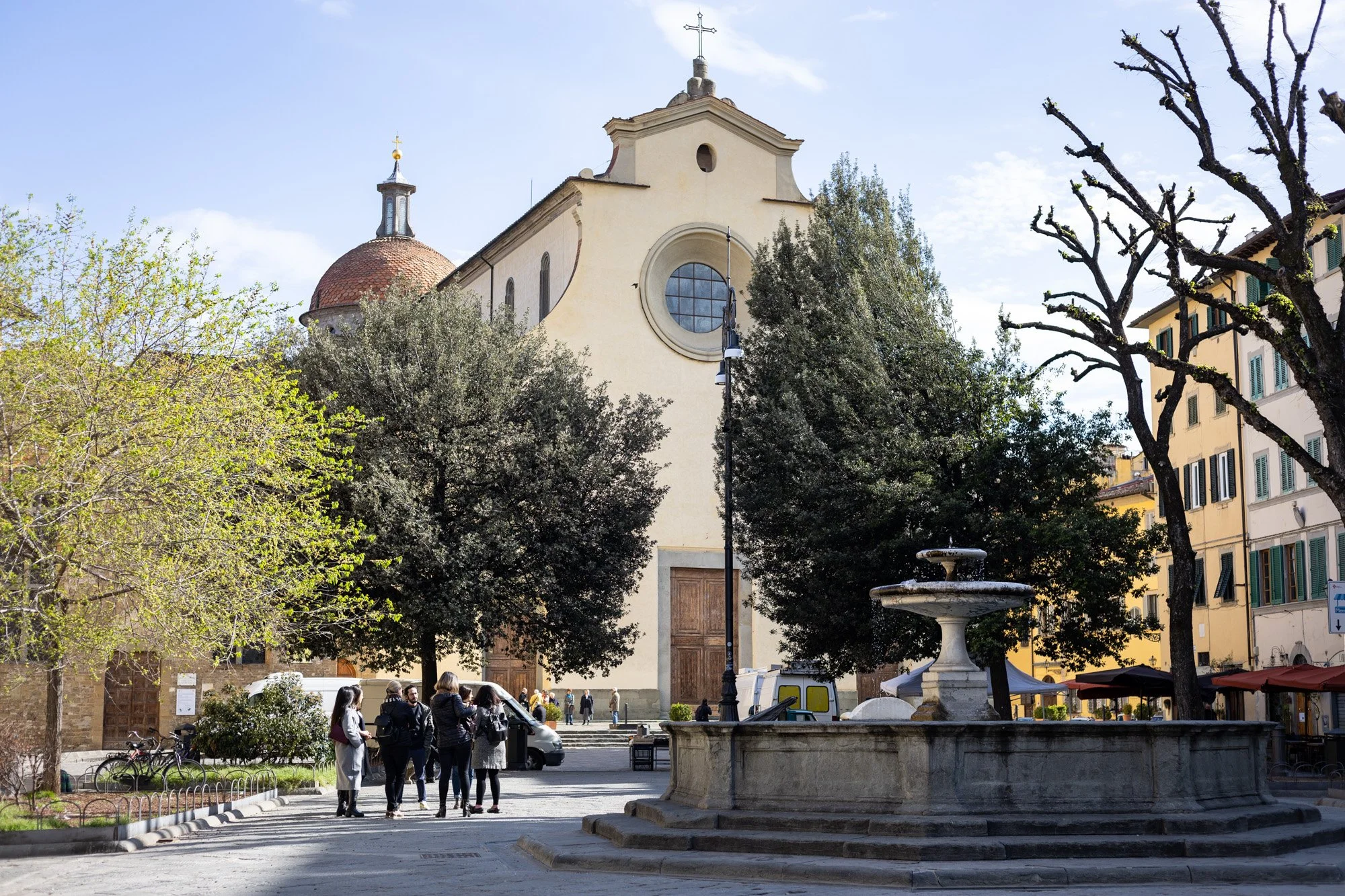
A cultural stop on our Artisan’s Tour of Oltrarno
Oltrarno: Florence’s Artisan Workshops and Independent Makers
The panorama of Florence’s shop fronts changes once you cross the bridge into the Oltrarno. The “over the river” district away from Florence’s main sights is known for its independent artisans, traditional workshops, and small businesses that prioritize individuality over big brands or chains.
Leather is only part of Florence’s handicraft story. Jewelry makers, bookbinders, wood restorers, and other craftspeople contribute to a neighborhood where traditional skills remain part of everyday life.
Oltrarno is particularly rewarding for travelers who want to meet the people behind the products they buy. Rather than rushing between shops, sign up for a curated Artisans tour of Florence for the exclusive opportunity to have the undivided attention of local makers, learn about materials and discover how different artisans approach their work.
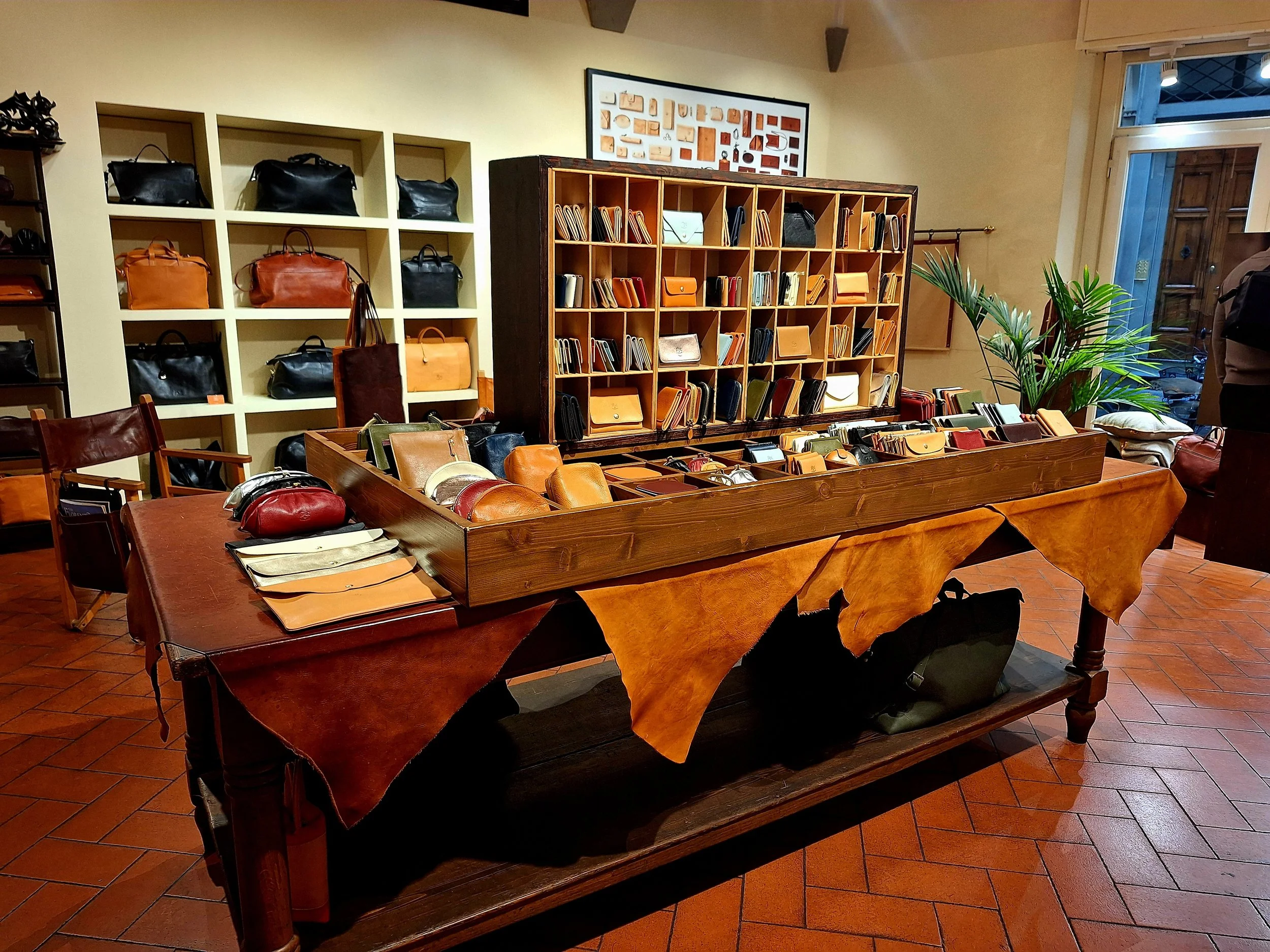
Genuine Florentine leather accessories
The Best Leather Shops in Florence: Six Artisan Addresses to Know
If you’re looking for genuine (or “authentic”) Italian leather goods in Florence, these six shops offer different perspectives on the city’s leatherworking tradition, from historic family businesses and hands-on workshops.
The end of this list will include some smaller, independent niche and boutique makers.
1. Bojola: Classic Florentine Leather Goods
Founded in 1906, Bojola is a family-run business known for its understated approach to leather craftsmanship. Located in Palazzo Carnesecchi, a short walk from the Duomo, the shop specializes in timeless designs, natural shades, and carefully selected vegetable-tanned hides.
Its clean lines and restrained palette appeal to travelers who prefer pieces that will remain relevant long after their trip. For a classic Florentine leather bag or accessory without unnecessary embellishment, Bojola is well worth a visit.
Bojola Firenze +39 055 215361
https://goo.gl/maps/2SQJGFcZK1pTBCaF7
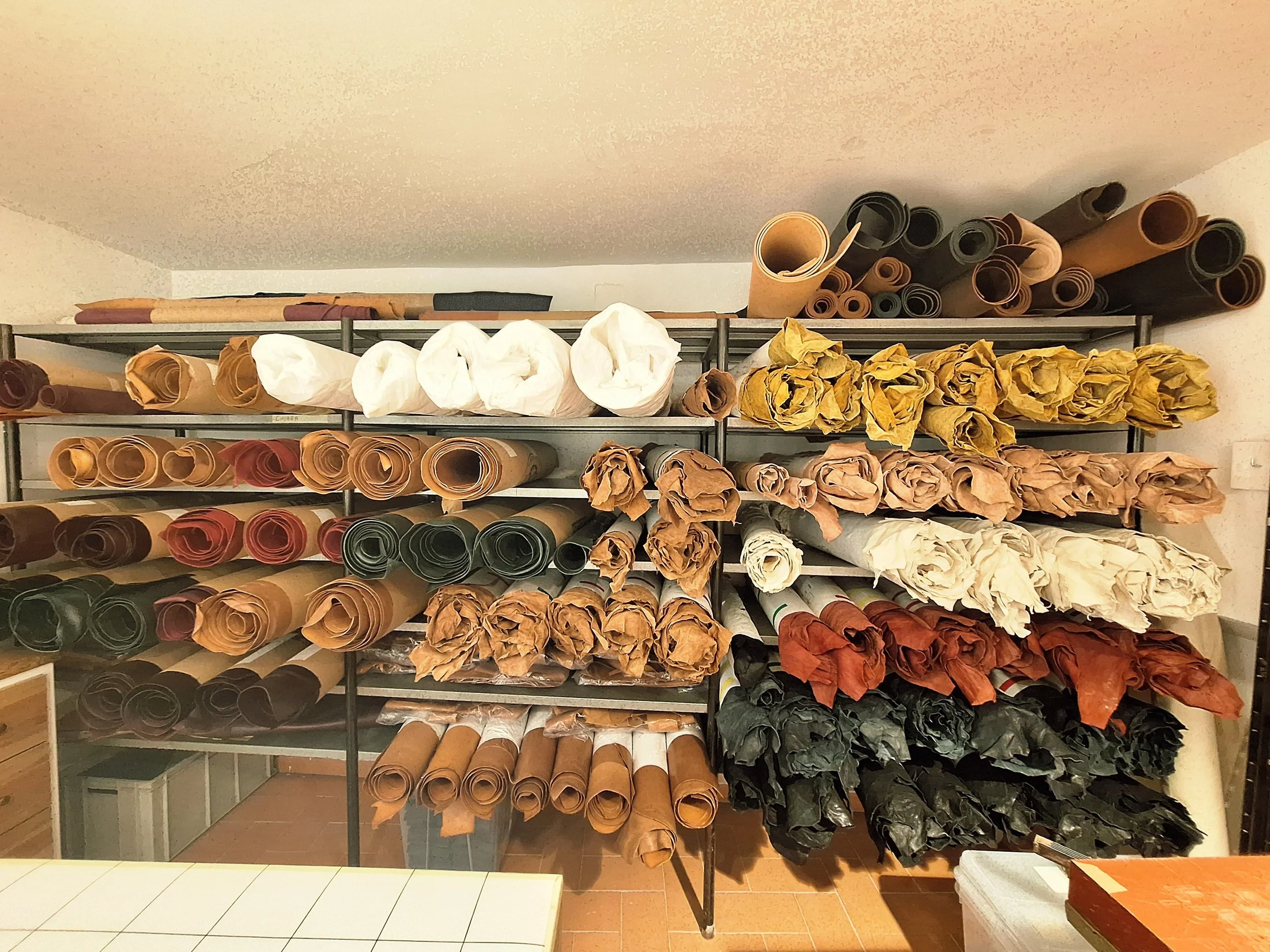
2. Infinity Leather: Handcrafted Bags and Leather Workshops
Founded in 1975 by Boston-born Jane Dengler and Florentine craftsman Enio Provaroni, Infinity Leather combines traditional techniques with a contemporary approach to production.
The family-owned workshop emphasizes vegetable-tanned leather and waste-conscious manufacturing. Its bags and accessories are designed around the material itself, allowing the leather’s character to remain central to the finished piece.
Infinity Leather also offers hands-on workshops, including opportunities to make your own leather belt. For travelers who prefer experiences to conventional souvenirs, this is an especially appealing way to connect with Florence’s craft tradition.
Infinity Leather +39 055 614 3709
https://goo.gl/maps/faqrF68Rs1GNnH867
3. Via de’ Ginori 23R: Creative, Small-Batch Design
Founded by two Florentines, one from a leatherworking family and the other a production designer, Via de’ Ginori 23R brings a more experimental sensibility to leather goods.
The business has spent around two decades developing collections that emphasize handmade individuality and collaborations with other Tuscan artisans. Alongside its leather products, it offers unique crafts made from recycled paper.
It’s a good stop for travelers looking beyond traditional designs and interested in the intersection of local craftsmanship and contemporary creativity.
Via de 'Ginori 23r +39 055 239 8031
https://goo.gl/maps/DBpGZQaQg5YCo5a1A
4. Alicia: Family Craftsmanship in Oltrarno
Alicia’s story connects Florence with Argentina. After learning leatherworking through her Italian grandfather, Tommaso, Alicia spent 30 years running her own leather factory and shop in Rosario before returning to Italy to open a business in Florence.
Today, the shop brings together the work of several family members. Alicia creates handmade bags and accessories, her daughter Ivana makes embroidered jewelry, and her son Luciano and his wife, Tammara, produce luxury leather accessories for pets.
It’s a particularly personal example of how artisan traditions can travel across continents and generations before finding their way home.
Alicia Leather Workshop Firenze +39 055 217025
https://goo.gl/maps/c7ENv5KJa5MwstY4A
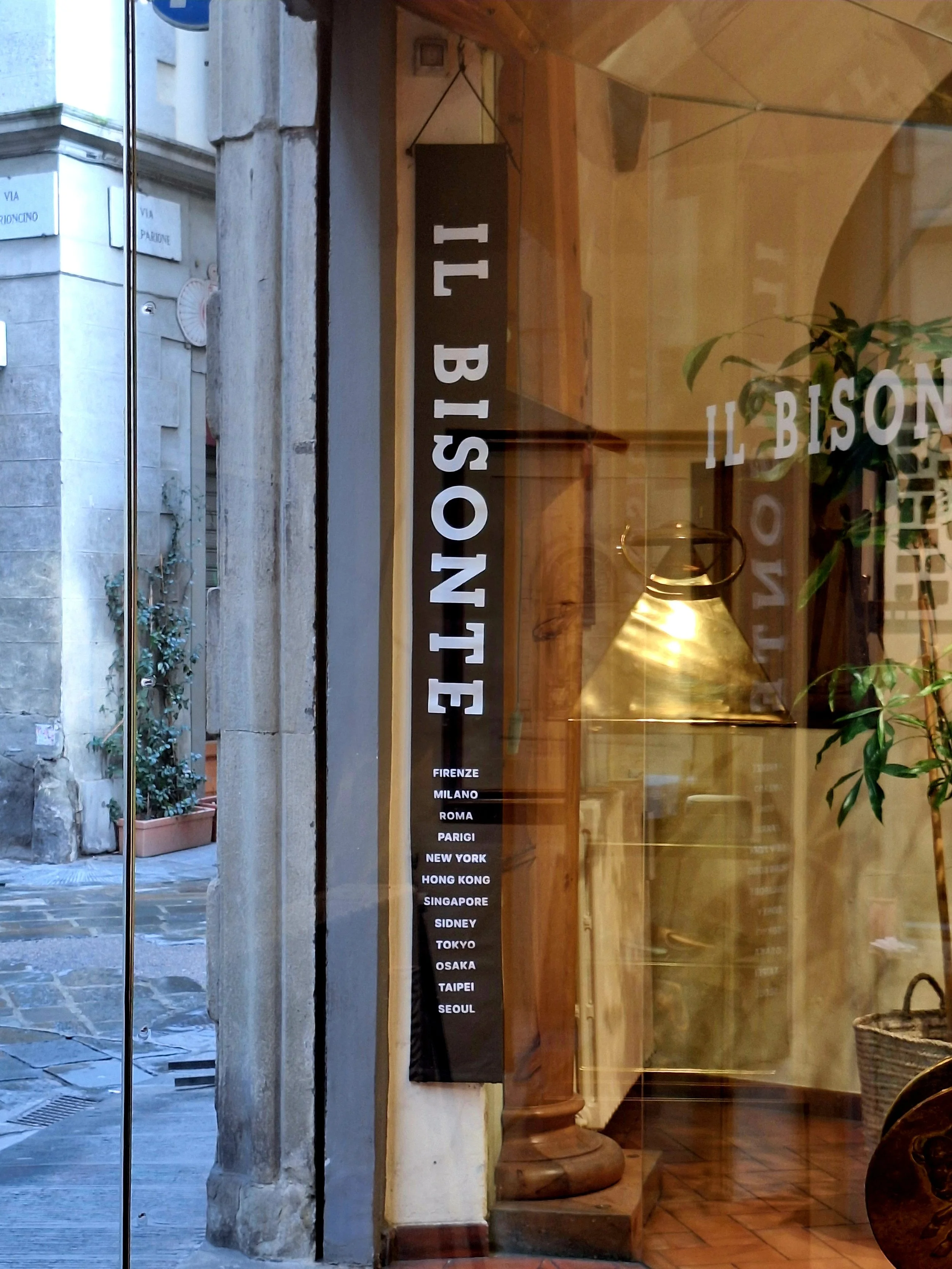
5. Il Bisonte: Tuscan Leather with an International Footprint
Founded in Florence in 1970 by designer Antonio di Filippo, known as Wanny, Il Bisonte began with a distinctive vision that challenged more conventional leather designs.
The brand grew quickly, and its association with Florence has since become part of its identity. It is particularly known for vegetable-tanned leather sourced from Tuscany’s tanning district and for designs that develop character with age.
Il Bisonte is a convenient choice for travelers seeking well-designed leather goods with Florentine heritage. Its appeal extends well beyond Italy, but its roots remain firmly local.
Il Bisonte Florence +39 055 215722
https://goo.gl/maps/maE98ACoEoezR73Z7
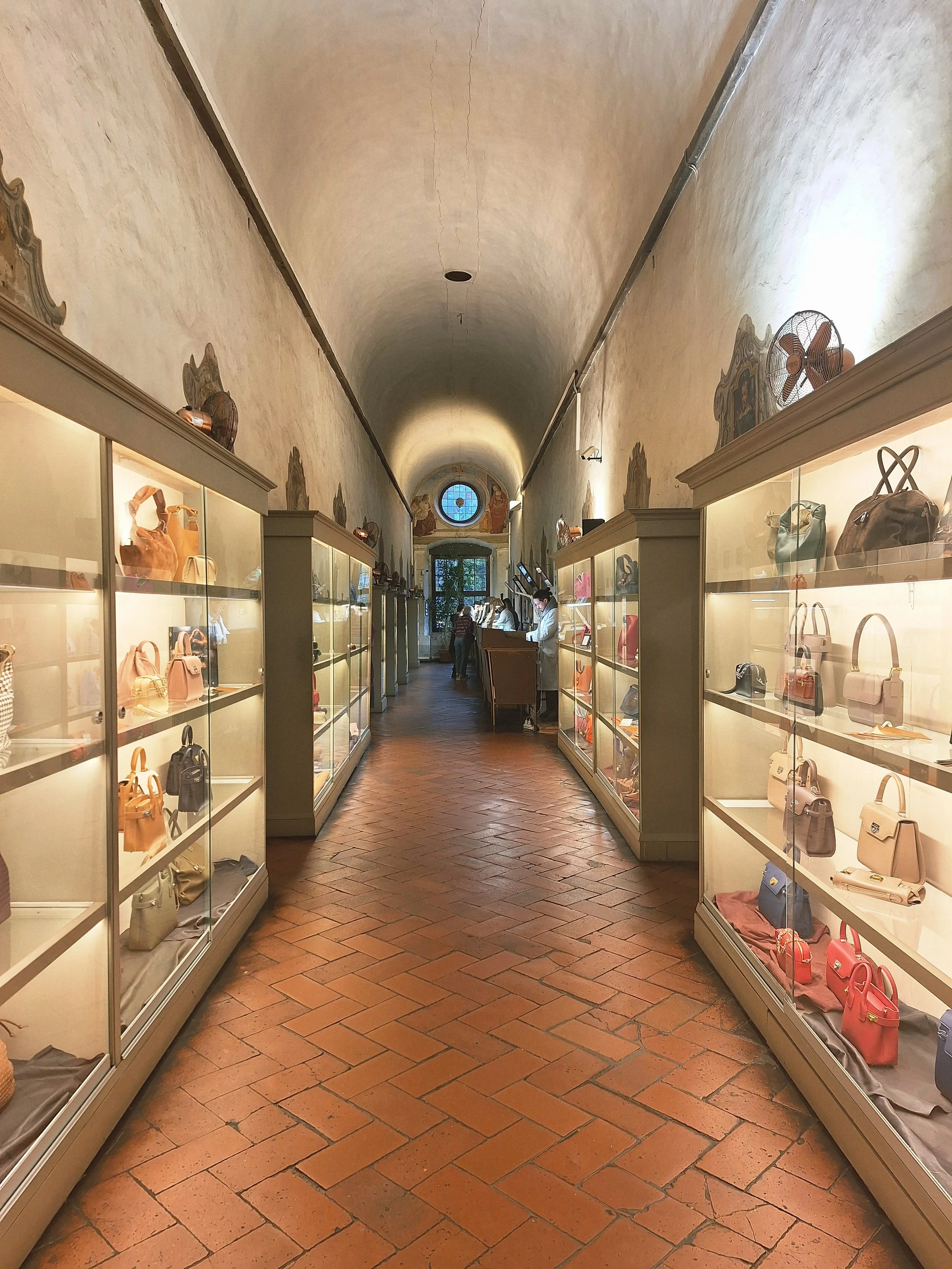
6. Scuola del Cuoio: A Florentine Leatherworking Institution
Scuola del Cuoio is more than a leather shop. Founded after WWII by Marcello Gori and Silvano Casini, it was created to teach orphans a trade and provide a path toward independence.
Its workshops continue to produce leather goods by hand in the cloisters behind Santa Croce. The school also maintains its social mission by supporting people facing barriers to employment and training.
The collection includes bags, wallets, belts, and more specialized pieces made from fine leathers. Custom orders are available, with options to personalize designs, colors, and accessories.
Prices are generally higher than those at many other shops, reflecting the materials, craftsmanship, and institution’s mission.
Scuola del Cuoio S.r.l. +39 055 244534
https://goo.gl/maps/GKhmF6Vwqxqihuxg9
Additional independent leather artisans worth bookmarking and seeking out:
FRAU LEMAN Handmade Leather Goods (great IG account, too)
https://goo.gl/maps/VymbPWWu6HKKBJrR8
Peroni Firenze
https://goo.gl/maps/13q7NkXa2UtKtfXw9
Il Micio di Hidetaka Fukaya (men’s shoes)
https://goo.gl/maps/aVV3NjuL5rHTGSjM8
Saskia Wittmer (custom shoes)
https://goo.gl/maps/5mR1KJDX34Js12kZ6
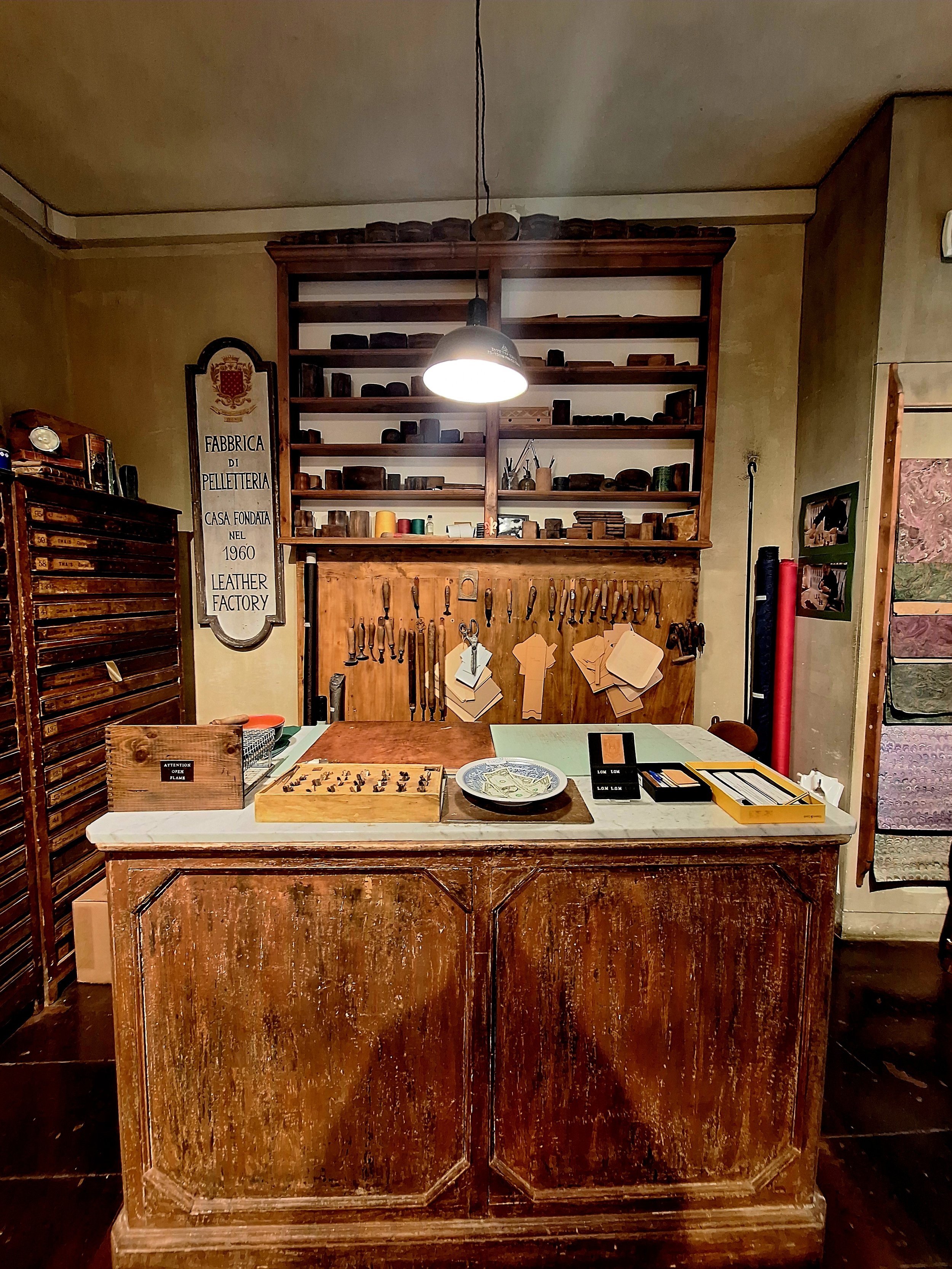
details from a leather workshop in Florence
How to Recognize Genuine, Authentic Italian Leather in Florence
Knowing where to shop is only half the equation. Understanding materials and assembly will help you distinguish a well-made leather product from something that simply looks the part.
Genuine Leather vs. Synthetic Leather
Price alone is an unreliable indicator of authenticity. Instead, look at the material, its texture, and how the product has been finished.
Texture: Genuine leather often has natural variations and subtle imperfections. Synthetic leather tends to have a more uniform, manufactured surface.
Feel: Leather generally feels more natural and develops its own character with use. Synthetic materials may feel plasticky or unusually coated.
Edges: Inspect exposed edges on belts and bag straps. The finishing can reveal a great deal about the construction and materials used.
Scent: Genuine leather usually has a distinctive, organic smell, while synthetic alternatives may smell strongly of plastic or chemicals.
Construction: Look for even stitching, sturdy hardware, well-finished seams, and zippers that operate smoothly.
No single test proves authenticity, and some modern leather finishes can resemble synthetic materials. Ask the seller about the hide, tanning process, and where the product was made. A knowledgeable artisan should be able to explain these details clearly.
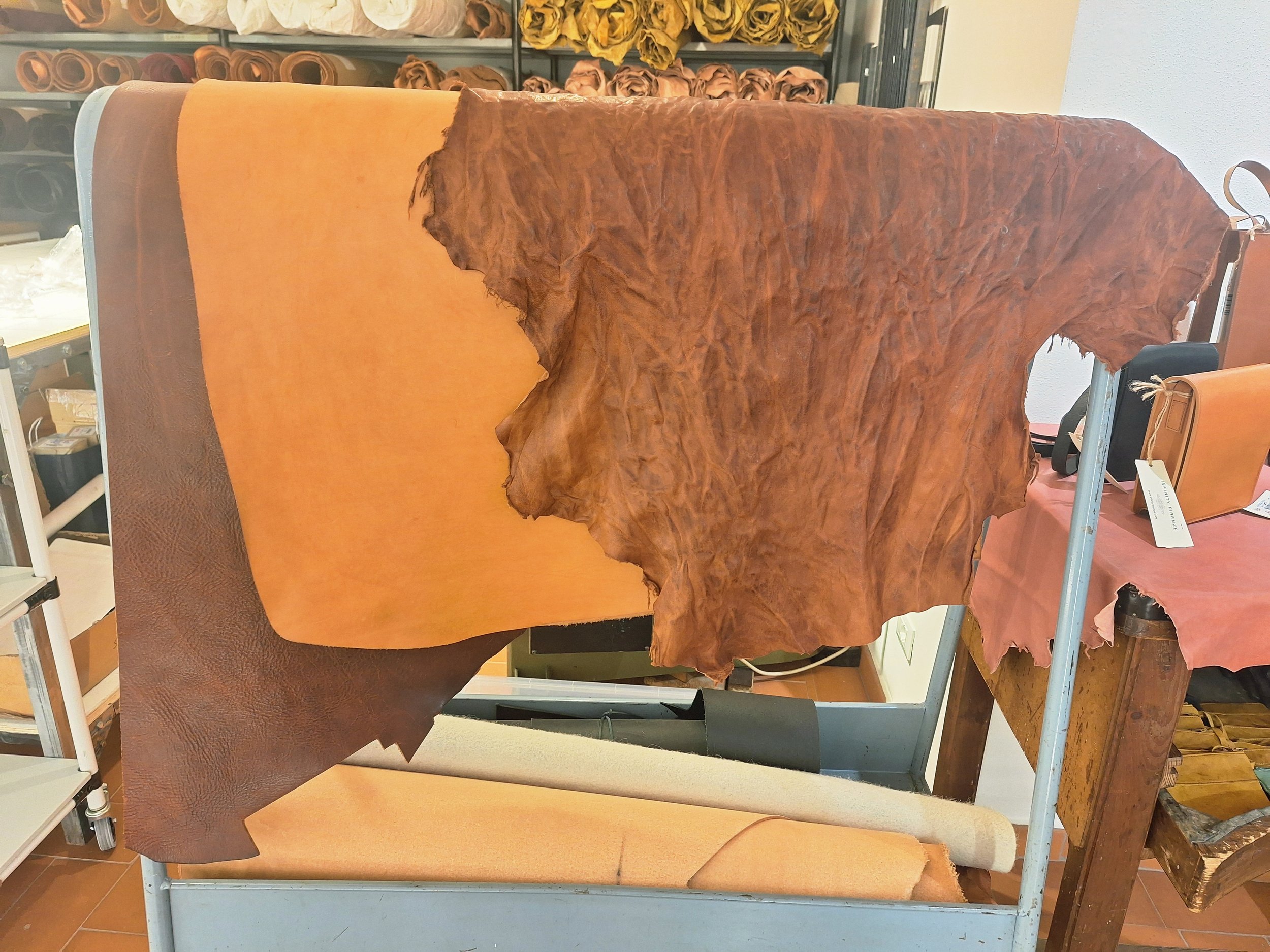
Vegetable-tanned leather in Florence
Vegetable-Tanned vs. Chrome-Tanned Leather
The tanning method has a significant effect on leather’s appearance, feel, and aging process.
Chrome tanning uses chromium-based tanning agents and is generally faster and more economical. It produces leather in a broad range of colors and finishes, making it common in large-scale manufacturing.
Vegetable tanning uses tannins derived from plant materials, including tree bark. The process is typically slower and requires considerable expertise. It often produces leather in warm, natural tones that gradually deepen and develop a patina with use.
Vegetable tanning has a particularly strong tradition in Tuscany, where specialist tanneries continue to supply artisans and established brands. If you’re looking for leather that changes beautifully over time, it’s worth asking whether a product is vegetable-tanned and where the tanning took place.
The method alone doesn’t guarantee superior quality or environmental performance, but it can tell you a great deal about the character of the finished material.
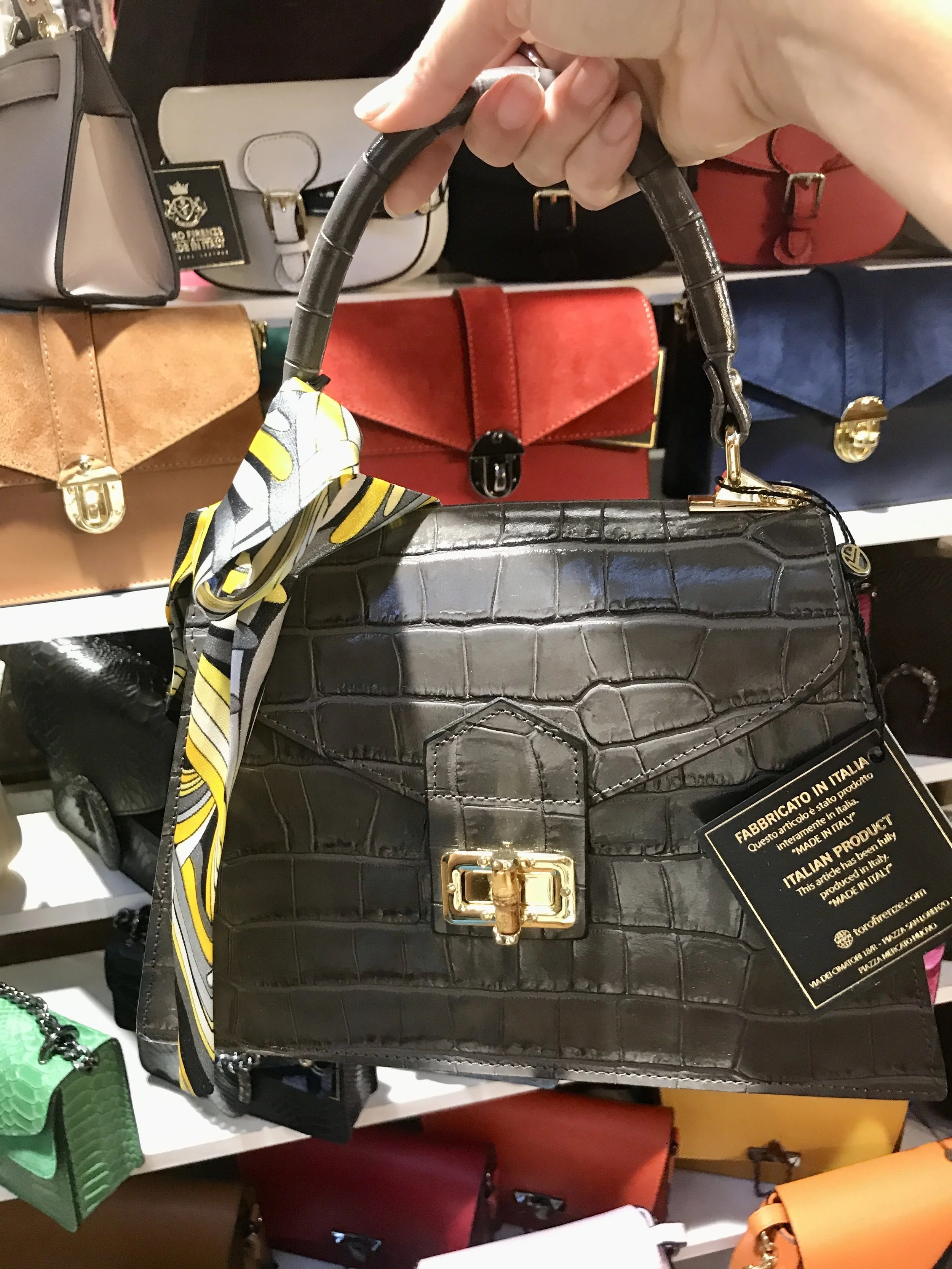
Made in Italy isn’t enough for a leather good to be worth its salt
What Do “Vera Pelle,” “Cuoio,” and “Made in Italy” Mean?
These labels are useful starting points, but they’re not substitutes for understanding the product.
Vera pelle means genuine leather. It identifies the material as leather, not a particular grade or level of craftsmanship.
Cuoio refers to leather and, in many contexts, to firmer leather traditionally used for products such as belts and shoe soles. It doesn’t automatically guarantee that an item is vegetable-tanned or exceptionally well made.
Made in Italy refers to the product’s country of origin under applicable rules. It does not necessarily mean that every stage of production took place in Italy. If local sourcing and production matter to you, ask where the hide was tanned, where the product was assembled, and which stages were completed in the workshop.
A good artisan will generally be comfortable discussing the provenance of the materials and the work involved in making the piece.
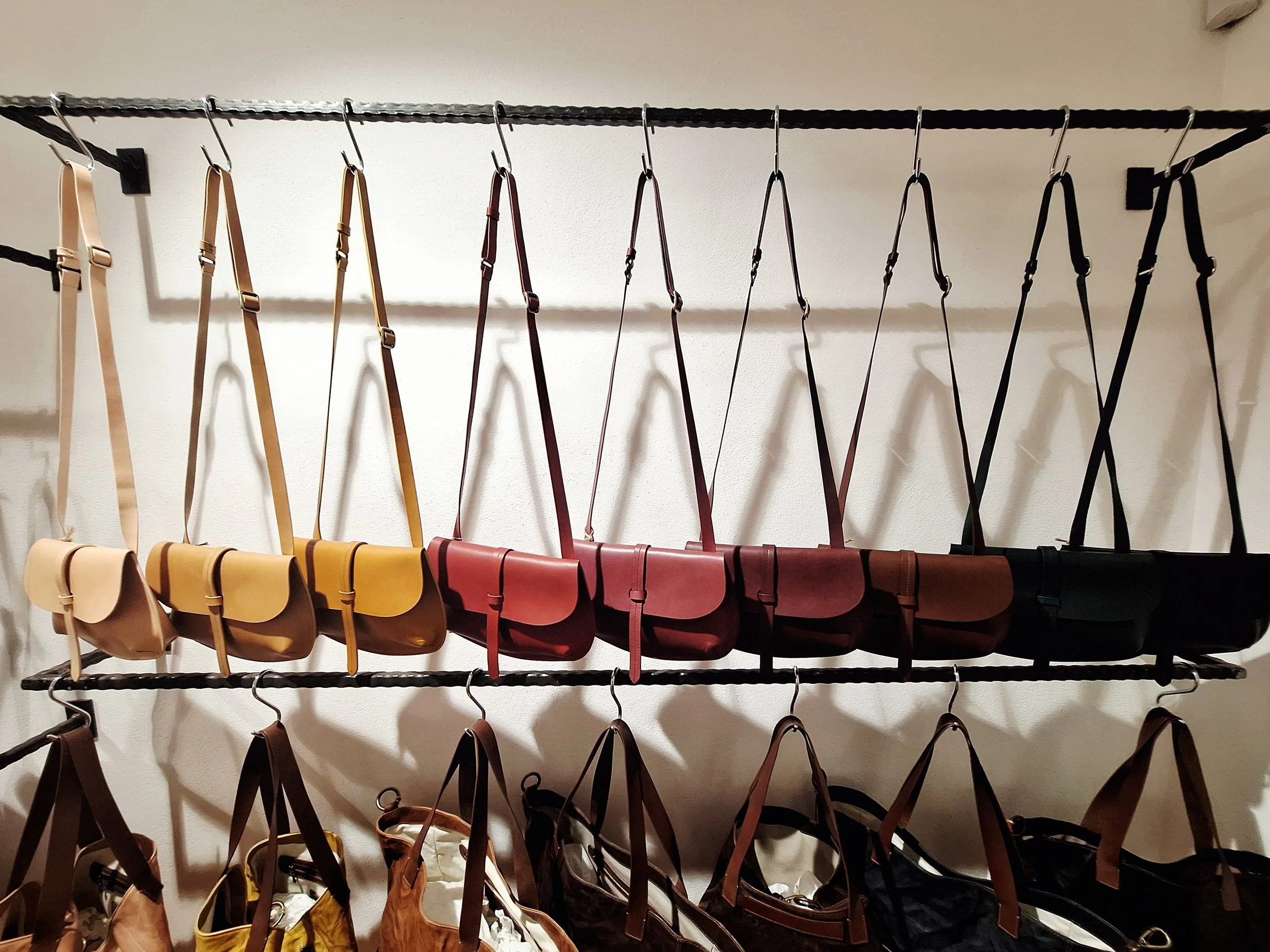
Handmade leather bags in Florence should be costly for the right reasons
How Much Should Quality Leather Cost in Florence?
Leather prices vary according to the hide, tanning method, design, hardware, and amount of handwork involved. An established brand may charge more than a small artisan workshop, but a higher price doesn’t automatically mean better craftsmanship.
As a general rule, genuinely handcrafted leather goods are unlikely to cost only a few dozen euros, particularly when they involve quality materials and substantial labor. That doesn’t mean every expensive bag is worth its price, or that every affordable item is poorly made.
Think about longevity rather than the initial price alone. A well-constructed €200 bag (on the low end) which lasts may be a better investment than a €60 bag that cracks and is utilizing questionable labor and materials.
The goal is to understand what you’re paying for: the material, the maker’s skill, the construction, and the likelihood that the piece will age well.
Tips for Buying Leather in Florence Like a Connoisseur
The most rewarding leather purchases often begin with a conversation.
Look for workshops where the tools, materials, and work in progress are visible. You may not see every stage of production, but some artisans will demonstrate techniques such as engraving, gilding, or edge finishing.
Ask specific questions. Where was the leather tanned? Was the item made in the workshop? Is the material vegetable-tanned? Can the product be repaired if it wears over time?
Be cautious of sellers who rely on aggressive sales tactics, rush you toward a purchase, drop the price significantly, or make sweeping claims about Italian craftsmanship without being able to explain the product itself. A compelling story is no substitute for transparent information about materials and construction.
And don't overlook smaller objects. Cuoietto Fiorentino, for example, is a traditional technique in which damp vegetable-tanned leather is shaped over wooden forms. The result can be found in small items such as coin purses and cases, offering a distinctive alternative to a conventional bag or wallet.
Above all, give yourself time. Florence’s leather scene is a mixture of medieval guild traditions, post-war craft revival, established brands, and contemporary artisan businesses. The pleasure lies in discovering the differences and finding a piece that genuinely speaks to you.
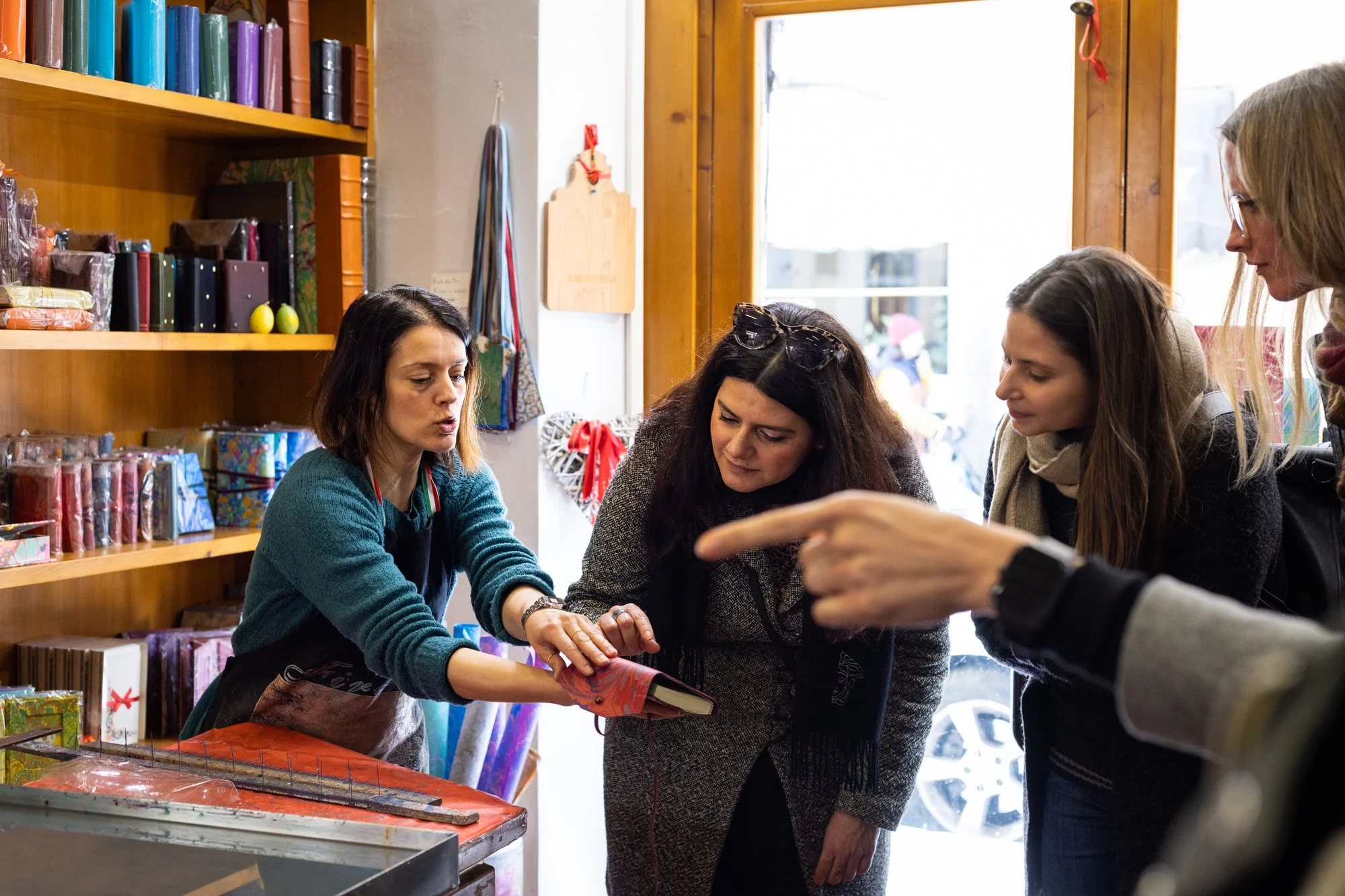
Learning about marbling in Florence with a local artisan
Discover Florence’s Handicraft Legacy on a Artisan’s Tour
Florence’s artisan culture and craft traditions date back to the Middle Ages, when guilds shaped the city’s economic and social life. For centuries, the city has been a creative incubator for leatherworking, goldsmithing to tailoring, carpentry, and bookbinding.
Our Hidden Artisans Oltrarno Tour offers a more personal way to discover this side of Florence. On this private experience, you’ll visit at least three artisans, a couple gourmet pitstops to taste seasonal delicacies and explore the neighborhood with a bilingual expert guide.
The travel designers at Curious Appetite tailor the experience to your interests, whether you’re curious about leatherworking, paper marbling, jewelry making, bookbinding, or wood restoration.
You can also request additional food & wine tasting stops as well as your preferred area. Alongside Oltrarno, the tour can be arranged in the Sant’Ambrogio and Santa Croce neighborhoods where heaps of unique and incredible makers of various disciplines are also concentrated.
For travelers who value craftsmanship and want to understand the people and processes behind what they buy, a private artisan tour offers something a shopping list cannot: context, conversation, and access to the working culture of the city.